
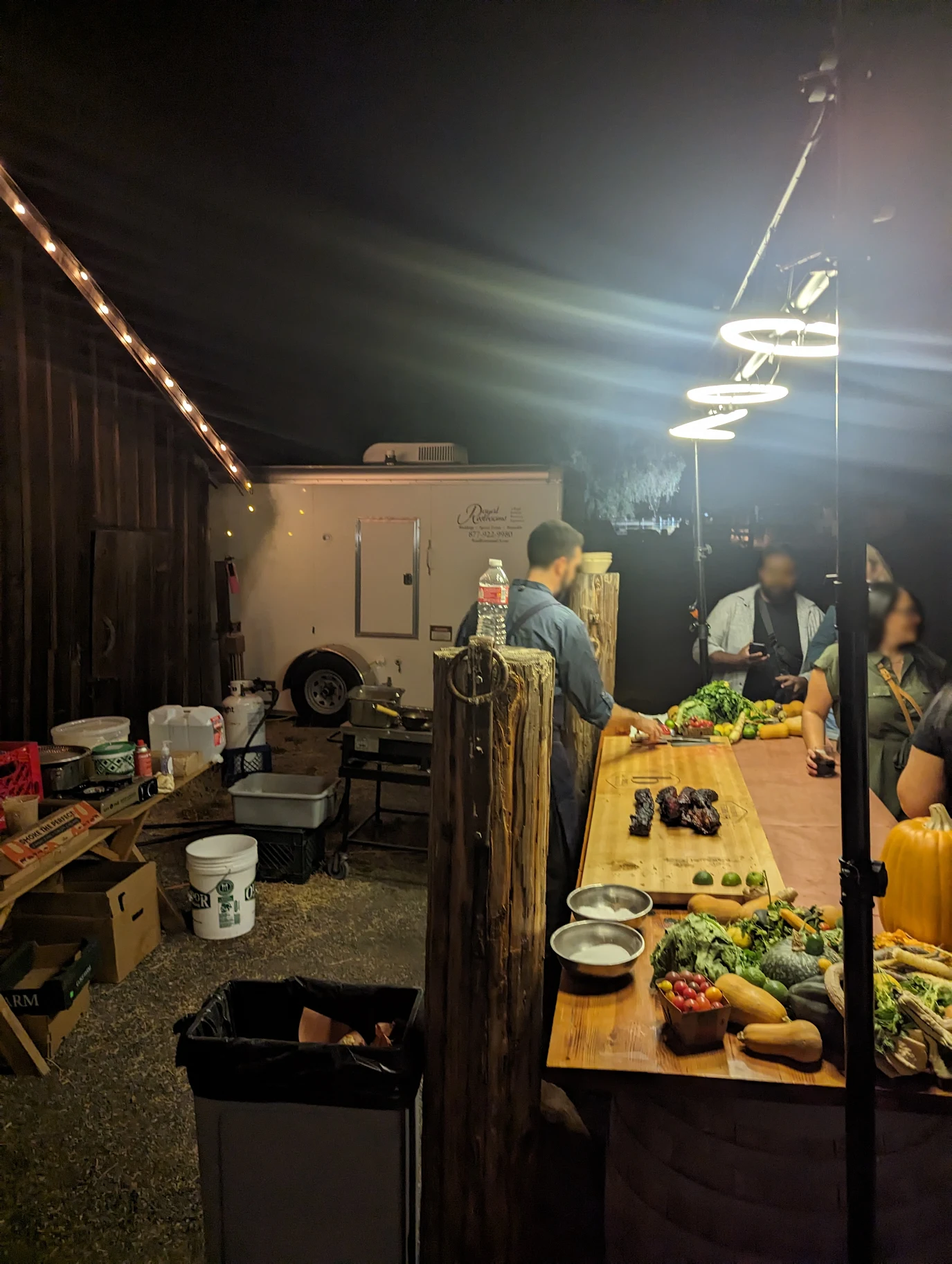
Festival restroom planning expert tips for wine or food festivals! Ensure comfort, convenience, and the ultimate attendee experience.
Whether you are hosting a local food festival, a ticketed wine festival, or a large-scale music festival, success hinges on more than great food and drinks and live entertainment. Strategic restroom planning is one of the most critical—but most overlooked—factors in shaping the overall festival experience. From bathroom access and portable toilet trailer placement to VIP layouts and accessibility, this guide walks through every detail a festival organizer needs to know. It’s worth reading because it blends real-world operations with expert tips to improve attendee comfort, boost ticket sales, and ensure your next festival runs smoothly from entry gates to the final encore.
Article Outline
-
What makes a festival successful beyond food and entertainment?
-
How does restroom planning shape the food festival and wine festival experience?
-
What can organizers learn from the EPCOT Food and Wine Festival?
-
How many restrooms and portable toilets does a festival really need?
-
How do ticketing, VIP areas, and restroom access work together?
-
Why is shade and hydration just as important as bathroom access?
-
How should food booths, floor plans, and signage guide foot traffic?
-
How does accessibility improve attendee comfort at festivals?
-
What restroom options work best for family-friendly and gourmet festivals?
-
What pro tips help festival organizers plan for future events?
1. What makes a festival successful beyond food and entertainment?
A successful festival is more than a collection of stages, booth setups, and vendor tents. While headlining performers and gourmet menus attract crowds, logistics determine whether those crowds stay, return, and recommend the event to others. Every festival producer is responsible for organizing a food festival that meets the needs of all attendees and knows that comfort drives satisfaction just as much as programming.
The often-invisible infrastructure—restrooms and access to hydration, shaded areas, and crowd flow—defines whether a festival is enjoyable for attendees, the difference between a festival feeling effortless or exhausting. When these elements fail, even top-tier talent and premium food booth partners struggle to deliver a positive memory.
From a small community gathering to a multi-day summer festival, professional operations create consistency that guests feel instinctively. A well-planned festival may include various activities to engage attendees throughout the day. This is also your opportunity to win repeat attendance for years to come.
2. How does restroom planning shape the food festival and wine festival experience?
At a food festival or wine festival, guests typically spend extended hours sampling, socializing, and exploring. Unlike short concerts, these culinary events demand sustained access to clean and well-placed restroom facilities.
Poor restroom planning results in long lines, overcrowding, and frustrated attendee movement away from vendor zones. That hurts food vendors, reduces ticket holder satisfaction, and pushes attendees to leave early. This can be mitigated by improving on-site amenities. Studies show that when people are comfortable, they have more fun and stay longer.
By contrast, well-distributed restroom trailers, frequent servicing, and clear signage dramatically improve traffic flow and mood. The result is higher dwell time, more purchases, and a premium wine festival experience that aligns with upscale branding.
3. What can organizers learn from the EPCOT Food and Wine Festival?
The EPCOT Food and Wine Festival is one of the most operationally complex food events in the world. It demonstrates what happens when Festival production involves careful planning to ensure a variety of food options are available on-site. The event and planners prioritize comfort, accessibility, and logistics with the same care as entertainment.
Attendees encounter dozens of festival booths, global menus, shaded seating, and an abundance of onboard restroom facilities with flushing toilets distributed across the event. The festival grounds are designed to enhance the comfort and convenience of festival attendees. Large crowds move efficiently because the floor plan anticipates congestion before it forms.
This level of orchestration proves that exceptional guest satisfaction is built on infrastructure, particularly in complex festival operations. Even at a smaller regional food event, adopting these principles—access, hydration, shade, and sanitation—can dramatically elevate outcomes.
4. How many restrooms and portable toilets does a festival really need?
The most common operational question at any festival is: How many bathroom units are enough? The answer depends on attendance volume, dwell time, alcohol service, and ticketing cadence.
As a baseline, planners often calculate one portable toilet per 50–75 guests for a four-hour event. For an 8-hour, all-day food festival operation, one stall per 40–50 guests is more realistic. Adding restroom trailers with multiple stalls improves throughput in high-density zones and assists with line management.
Placement matters as much as quantity. Distributing restroom trailers near food courts, performance hubs, and VIP lounges prevents congestion. With restroom trailers, you can have enough waste capacity to last a day’s event, or with plastic porta-potties in the mix, servicing those throughout the event sustains sanitation and keeps lines short.
5. How do ticketing, VIP areas, and restroom access work together?
Every ticket category creates a distinct traffic pattern across the festival. General admission guests move in waves tied to stage schedules, while VIP attendees often cluster around lounges and premium tasting zones.
VIP attendees expect embedded comfort and convenience features during the festival, luxury bathroom access with shorter wait times, and higher cleanliness standards. Dedicated restroom units in premium zones preserve the perceived value of upgraded passes and reinforce exclusivity.
Efficient restroom placement also affects ticket sales. Guests who experience crowding and inadequate sanitation are far less likely to purchase multi-day passes or return for future events.
6. Why is shade and hydration just as important as bathroom access?
While restroom access affects comfort directly, hydration and rest determine stamina for long-format festival attendance. A lack of shade or water station infrastructure quickly leads to fatigue, dehydration, and medical risk. We offer a mother’s station trailer (no toilet), just a climate-controlled trailer with privacy and comfort, that can also be used as a retreat station to cool down or a talent trailer to escape the crowd.
Modern festivals integrate refill stations and water bottle refill stations alongside food courts and performance zones. Providing free water not only supports public safety but also encourages longer stays and repeat vendor visits.
Pro tip: Pair every major restroom trailer grouping with a water refill station. This combined placement reduces cross-site walking, shortens queues, and directly improves attendee comfort.
7. How should food booths, floor plans, and signage guide foot traffic?
Traffic flow defines whether guests can efficiently get to the food they’ve paid for. A smart floor plan balances open walkways, clustered food courts, performance stages, drink gardens, and restroom access.
Every food booth generates micro-congestion during peak sampling windows. Without directional signage and open aisles, lines spill into walkways and bottleneck nearby attractions.
Clear wayfinding, not just for food and exits, but for bathroom locations too, prevents confusion and keeps guests circulating naturally through all vendor areas.
8. How does accessibility improve attendee comfort at festivals?
True accessibility extends beyond ramps and parking. Every festival must consider access to seating, shade, hydration, and restroom facilities for guests with mobility limitations or medical needs.
Accessible restroom trailers should be evenly distributed, not isolated. Dedicated path widths, nearby staff support, and visible signage ensure that all guests experience full participation.
An inclusive event environment also expands family attendance, supports the growth of on-site food options, and enhances the overall experience. Accessibility at a family-friendly festival aligns with modern compliance standards for public gatherings.
9. What restroom options work best for family-friendly and gourmet festivals?
Different audiences demand different infrastructure strategies. A daytime, family-friendly festival near food courts benefits from abundant bathroom trailers, diaper-friendly changing stalls, mother’s stations, and shaded waiting areas.
Gourmet tasting events, wine education seminars, and chef-hosted experiences typically require higher-end restroom trailers with premium finishes and superior cleanliness to align with upscale branding. Possibly using the flat screen LED screens in each stall or on the exterior of our larger signature trailer series to promote the event or sponsor.
For large culinary showcases, incorporating luxury restroom trailers improves throughput while reinforcing quality perception. These trailers operate with higher stall counts, faster service cycles, and improved odor control.
10. What pro tips help festival organizers plan for future events?
A seasoned festival organizer treats every production as a data-gathering opportunity for future planning. Measuring peak restroom wait times, food court congestion, and hydration station traffic informs smarter layouts next year.
Pro tip: Build a checklist that includes sanitation crew coverage, supply replenishment cadence, waste removal schedules, and backup power for restroom systems.
Assign a sanitation crew to patrol continuously, not just at scheduled intervals. This single step dramatically improves perceived cleanliness and guest confidence throughout the event. If you prefer, you can hire our restroom technicians to monitor the restroom trailers, clean, restock, and manage minor repairs should the need arise throughout your event.
Why Restroom Planning Drives the Entire Festival Experience
Every festival, whether musical, culinary, or mixed-format, depends on invisible systems to deliver visible satisfaction. Guests may never compliment the bathroom (but you will be surprised, a nice luxury bathroom does get raves). Attendees may not notice the shaded areas immediately, but they will absolutely notice their absence.
For a wine festival, where tasting volume directly correlates with bathroom demand, planning margins must be even wider. Upscale guests expect efficiency, odor control, and proximity to tasting zones. They look for the same aesthetics to be carried throughout the event.
As events grow in scale and complexity, sanitation becomes part of branding—not just compliance.
The Role of Portable Toilets and Restroom Trailers in Modern Festivals
Portable toilet infrastructure remains the backbone of most outdoor productions. However, with strategically placed restroom trailers, good directional signage, and improved shaded areas, this dramatically improves overall service capacity and guest comfort.
Trailers reduce peak congestion, support VIP infrastructure, and provide reliable flushing toilets, climate-controlled interiors, and provide better hygiene practices where fixed plumbing does not exist.
This level of attention will convert a one-time festival goer into an annual veteran festival goer in no time!
Food Vendors, Water Stations, and Bathroom Placement
Food vendors generate the majority of traffic surges. Placing restroom trailers adjacent to major food courts, not hidden behind perimeters, keeps guests close to spending zones.
Place at least one major water station near each large vendor cluster. This limits repeated cross-site trips and reduces congestion near entrances.
This integrated approach aligns guest needs—food, hydration, restrooms—into a single spatial rhythm.
Serving Food, Live Music, and Crowd Endurance
When the festival includes live music alongside continuous serving of food, endurance becomes a design problem. Guests will only stay as long as physical comfort allows.
Adequate shade, seating, hydration, and sanitation extend dwell time. Longer presence increases per-capita spending and boosts the overall experience for festival attendees and a better overall festival experience.
Wine Festivals as a Unique Restroom Planning Challenge
A wine festival dramatically increases restroom demand due to liquid intake volume. For these events, planners often increase unit counts by 25–40% over standard formulas.
The wine festival experience depends heavily on smooth circulation between tasting booths, shaded seating, and restrooms. Any infrastructure bottleneck rapidly erodes satisfaction.
How Festival Infrastructure Fosters a Sense of Community
Well-designed festival grounds encourage movement, social interaction, and relaxed exploration. When guests aren’t hunting for bathrooms or water, they engage with vendors, performers, and each other. This is where ample signage and strategic placement is crucial in the planning process.
Proper infrastructure quietly fosters a sense of community, helping the event feel cohesive rather than chaotic.
Power, Water, and Supporting the Entire Festival Operation
Behind every restroom cluster sits a hidden web of utilities that power your festival. Water inflow, waste removal, power distribution, and crew coordination all intersect here.
Without redundancy in these systems, even a small failure can escalate into a visible guest disruption. Having restroom technicians on-site to manage restroom operations, keeping them clean and restocked, goes a long way in guest satisfaction.
Bullet Point Summary: Key Things to Remember
- Every festival depends on infrastructure as much as entertainment.
- A food festival and a wine festival require extended restroom capacity.
- Smart restroom planning directly improves attendee comfort.
- Ticket categories shape restroom placement and VIP strategies.
- Shade, hydration, and bathroom access work together as comfort systems.
- Utilize portable restroom trailers for peak flow.
- Clear signage: Planning a food festival requires careful planning and smart logistics to ensure success.
- A good floor plan design prevents congestion.
- Accessibility expands audience reach and improves guest equity.
- Continuous sanitation service protects the festival experience/quality.
- Learning from large events like the EPCOT Food and Wine Festival improves local planning.
- Data-driven future planning ensures better outcomes year after year.
- Proper amenities help guests stay longer, spend more, and return year after year!
Partnering with Royal Restrooms of California, locally family owned and operated, with over 20 years of experience in event experience, both large and small, allows your restroom experience to be seamless. Let us collaborate with you on your next event, fair, or festival. Call Today 877-922-9980 or visit us at RoyalRestroomsCA.com.