
TL;DR: Planning a trip to the 2026 California State Fair at Cal Expo in Sacramento? This ultimate 17-day summer event guide highlights iconic attractions like the monorail and live music while addressing a crucial, often overlooked detail: guest comfort, crowd flow, and premium sanitation. From strict clear bag policies to finding air conditioning, discover how top-tier planning and proper facilities transform a bustling state fair into a seamless, memorable experience for every attendee and vendor.
The Ultimate California State Fair & Cal Expo Vendor Guide: Elevate Your Summer Event Experience
Summary: Discover the rich history, vibrant entertainment, and insider secrets of the legendary California State Fair at Cal Expo. Whether you are searching for mouth-watering fair food, stellar live music, or historic agricultural exhibits, this comprehensive guide covers everything you need to know about navigating the 17-day extravaganza. We also explore why thoughtful facility management, attendee logistics, and guest comfort are the secret ingredients to making major community events truly unforgettable.
1. What is the History of the California State Fair in Sacramento?
The California State Fair boasts a rich, nostalgic legacy that reflects the golden growth of the Golden State itself. Long before it became the massive celebration we know today, the very first exposition took place in 1854. In its early years, the fair actually moved from city to city, including stops in San Francisco and San Jose, before permanently settling in the state capital of Sacramento. The event quickly grew from a modest gathering into one of the country’s premier state fairs, celebrating the vast agricultural achievements of California’s Central Valley.
As the event grew in popularity during the early 1900s, it required a more permanent and expansive home. A notable milestone occurred when a grand agricultural pavilion, completed in 1884, became a focal hub for exhibits at the old fairgrounds located around 15th and N streets in Sacramento. Over the decades, the old location near Capitol Park grew increasingly cramped as attendance skyrocketed. By the mid-20th century, organizers realized that the bustling city limits could no longer contain the growing crowds, leading to the monumental decision to relocate the entire fairground operation to its current expansive home.
The modern era truly began when the fair moved to its current location, known as Cal Expo (short for the California Exposition). The brand-new site officially opened its gates to the public in 1968, though the complete transition of all features concluded just a year later in 1969. This move allowed the fair to expand dramatically, introducing specialized expo buildings, a dedicated racetrack, and state-of-the-art facilities. Today, walking through the grounds offers a beautiful blend of historic pride and modern entertainment, keeping those cherished fair memories alive for a new generation of fairgoers.
2. Where is Cal Expo Located and How Do You Get There?
Cal Expo is situated in the heart of Sacramento, serving as a landmark venue that is easily accessible from all major regional highways. The property is bounded by major thoroughfares, sitting near the busy intersection of Business 80 and Exposition Boulevard. For those mapping out their route, the site is located just north of the American River, putting it a short drive away from the UC Davis Medical Center and the bustling downtown grid.
Understanding the geography of the fair helps paint a picture of how the city evolved around it. In the late 1900s, specifically around 1909, the fair operated at its previous site closer to Stockton. In fact, historic records often mention how crowds would travel down Stockton Boulevard or navigate the various streets in Sacramento to view livestock displays and machinery. Today, those old routes have evolved into major commuter pathways, and the current Cal Expo location provides substantially better transit access and vast parking fields to accommodate hundreds of thousands of guests annually.
Getting to the venue is straightforward, but arriving prepared makes a significant difference. Visitors driving to the grounds should plan to purchase a parking pass in advance to expedite their entry through the main gates. If you are taking public transit or utilizing rideshare options, designated drop-off zones are marked near the main entrance promenade to ensure attendee safety. No matter how you choose to travel, arriving early on opening day is highly recommended to avoid the peak traffic jams that tend to form along the boulevard.
3. When are the Official Fair Hours and Best Times to Visit?
Planning your trip around the official fair hours ensures you don’t miss a single minute of the action. The California State Fair typically runs as a glorious 17-day celebration during the peak of summer, opening daily from mid-morning until late into the night. While the commercial expo center and agricultural halls have specific closing times in the early evening, the carnival rides, food vendors, and main stages keep the energy pumping well past dark.
If you want to beat both the crowds and the intense Central Valley heat, timing your arrival is everything. The early afternoon hours on weekdays, particularly Monday through Thursday, offer the shortest lines for food and exhibits. However, if you are looking for the quintessential vibrant atmosphere, Friday and Saturday nights are unmatched. The fairgrounds take on a magical glow under the neon lights, though you should expect a higher volume of fellow fairgoers sharing the walkways during these peak times.
For those tracking special events, the weekends feature extended programming and spectacular night shows. It is worth noting that special scheduling applies to weekends; for example, the grand finale events on Saturday nights at 10 often draw the largest single crowds of the week. Keep an eye out for promotional days, such as the SMUD giving Monday, where visitors can secure discounted admission by donating non-perishable food items at the gate, making it a win-win for the community and your wallet.
4. How Can You Secure Your Ticket and Admission for the California State Fair?
Securing your ticket to the Cal State Fair is simpler than ever, thanks to fully integrated online ticketing systems. To get the absolute best rates, it is wise to buy early before the general admission tickets go on sale at standard gate prices. The fair offers a variety of ticket tiers, including general admission, discounted rates for seniors, and special pricing for youth. Notably, children aged 4 and younger receive free admission, making it highly affordable for young families looking for a full day of entertainment.
When purchasing your fair admission, you will also have the option to bundle your entry with ride wristbands or fast passes for the carnival. An organizer will often recommend buying these packages online to save a significant percentage compared to buying them on-site. Keep your digital ticket handy on your smartphone, as ticket scanners at the main gates can easily read the barcodes right off your screen, allowing you to bypass the traditional box office lines.
Beyond standard entry, there are premium tickets available for exclusive experiences. If you are a big fan of live music, you might want to look into reserved seating tickets for the main concert series, which include your fair entry fee in the price. Be sure to check the official fair newsletter or website starting around the 15th of the months leading up to summer so you can be the first to know exactly when tickets go on sale and grab the best seats in the house.
5. What is the Clear Bag Policy and Other Security Rules?
Safety is a top priority at Cal Expo, which is why a strict clear bag policy is enforced at all entrance gates. Every attendee entering the fairground must bring their belongings in a clear plastic, vinyl, or PVC bag that does not exceed the designated size limits. Small, non-clear clutch bags or wallets are generally permitted but are subject to thorough manual inspection by security personnel before entry is granted.
Important Note on Security: To ensure a smooth entry experience for everyone, please review the prohibited items list before leaving home. Prohibited items include outside alcohol, weapons of any kind, and large hard-sided coolers.
However, organizers understand that summer days in Sacramento get hot, so guests are allowed to bring in factory-sealed plastic water bottles to stay hydrated throughout the day.
As you approach the security checkpoints, preparing your items in advance will help keep the lines moving quickly. Metal detectors are utilized at all gates, meaning you will need to remove large metal objects from your pockets. These protocols are designed to create a safe, family-friendly environment where everyone can focus on creating positive fair memories without unnecessary worry.
6. Which Musicians are Performing at the Toyota Concert Series This Year?
One of the biggest draws of the California State Fair is the incredible lineup of live music hosted at the main stage. The renowned Toyota Concert Series brings top-tier national touring acts, nostalgic tribute bands, and award-winning artists across genres like country, rock, R&B, and pop. Held at the primary outdoor venue within the grounds, these concerts turn warm summer evenings into massive, open-air celebrations.
Every seat in the amphitheater offers a great view of the stage, but the best spots fill up fast. While general seating is often free with your paid fair admission on a first-come, first-served basis, reserved seats up close can be purchased in advance for an upgraded experience. Over the years, the stage has hosted iconic performers who get the entire crowd singing along under the stars, making it a centerpiece attraction of the 17-day run.
In addition to the main headliners, smaller stages scattered across the fairground showcase incredible local talent. For instance, the Sky River Casino Stage and various community pavilions feature daily performances ranging from cultural dance groups to independent rock bands. To ensure you don’t miss your favorite artist, check the daily entertainment schedule published online or via KCRA news updates to plan your evening perfectly around the showtimes.
7. What Agricultural Exhibits and Livestock Displays Can You See?
Agriculture is the true heartbeat of the California State Fair, keeping a centuries-old tradition alive in an increasingly digital world. The massive agricultural hall and the surrounding pavillion spaces are dedicated to showcasing the incredible bounty of California’s farming industry. Visitors can explore interactive educational displays that explain how food travels from the farm to the dinner table, highlighting the innovative technology modern farmers use to conserve water and protect the environment.
A highlight for families and animal lovers alike is the Livestock pavilion, where ranchers from across the state bring their prized animals to participate in rigorous competition. Inside the big barn, you can get up close and personal with cattle, sheep, goats, swine, and llamas. It is an amazing opportunity to see the hard work of youth agricultural organizations like the 4-H and FFA, who proudly present their livestock projects to judges in hopes of winning a blue ribbon.
For a more hands-on experience, head over to the petting zoo, sponsored in part by Tractor Supply Co., where kids can feed friendly farm animals. You can also view historic farming equipment, including an old-fashioned steam locomotive and vintage tractors that showcase how drastically farming has changed since the early days of the state. It’s an immersive, educational delight that honors the deep roots of California agriculture.
8. Is There Air Conditioning and Ways to Beat the Sacramento Heat?
It is no secret that Sacramento summers can get incredibly hot, with temperatures frequently climbing well into the triple digits. Fortunately, Cal Expo is well-prepared to keep guests comfortable with plenty of air conditioning zones spread across the property. The massive, interconnected expo buildings offer a cool sanctuary from the midday sun, allowing you to browse commercial vendors, view art competitions, and explore indoor exhibits in crisp, cool comfort.
When you need a break from walking the outdoor promenade, stepping inside one of these air-conditioned pavilions is the perfect way to recharge. Many fairgoers map out their day by alternating between outdoor activities, like the carnival rides, and indoor attractions, like the industrial craft displays or cooking demonstrations. It keeps you energized and ensures that the summer heat won’t put a damper on your family fun.
In addition to indoor cooling zones, the fairgrounds feature numerous misting stations and shaded seating areas under large canvas tents. Hydration stations are placed strategically throughout the venue, making it easy to refill your water bottles. Taking advantage of these amenities, wearing sunscreen, and scheduling your outdoor walking for the cooler morning or evening hours will keep your group happy and safe all day long.
9. What are the Best Rides and Attractions on the Fairground?
The California State Fair carnival is a thrilling wonderland packed with rides and attractions suitable for adrenaline junkies and toddlers alike. From massive roller coasters and spinning thrill rides to classic bumper cars and a giant Ferris wheel that offers a breathtaking view of Sacramento County, there is no shortage of excitement. The neon lights and upbeat music create an infectious energy that defines the classic American fair experience.
A signature attraction that you absolutely cannot miss is the iconic monorail system. Serving as both a convenient mode of transportation and a nostalgic ride, the monorail glides smoothly above the fairground, offering a unique bird’s-eye view of the entire layout. It is a fantastic way to scout out which food vendors or exhibits you want to visit next while enjoying a relaxing, breezy ride across the property.
Beyond the mechanical rides, unique specialty attractions add to the festive atmosphere. Depending on the year’s programming, you might find an immersive virtual reality exhibit, a temporary cannabis educational pavilion detailing the state’s commercial industry, or a high-diving stunt show. As night falls, the excitement shifts toward the skies, particularly on Friday and Saturday nights when a brilliant firework show illuminates the entire racetrack area, capping off a perfect day of exploration.
10. Why Do Guest Comfort, Flow, and Premium Sanitation Facilities Matter Most?
While the entertainment, food, and attractions draw the crowds, a successful community event relies heavily on seamless infrastructure. Managing crowd movement and keeping guests comfortable over a grueling 17-day festival requires impeccable attention to detail. One critical element that hosts and coordinators must prioritize is access to high-quality, reliable, and hygienic restrooms. When lines are managed efficiently and facilities are spotless, guests stay longer, vendors can operate smoothly, and the entire event experience is elevated.
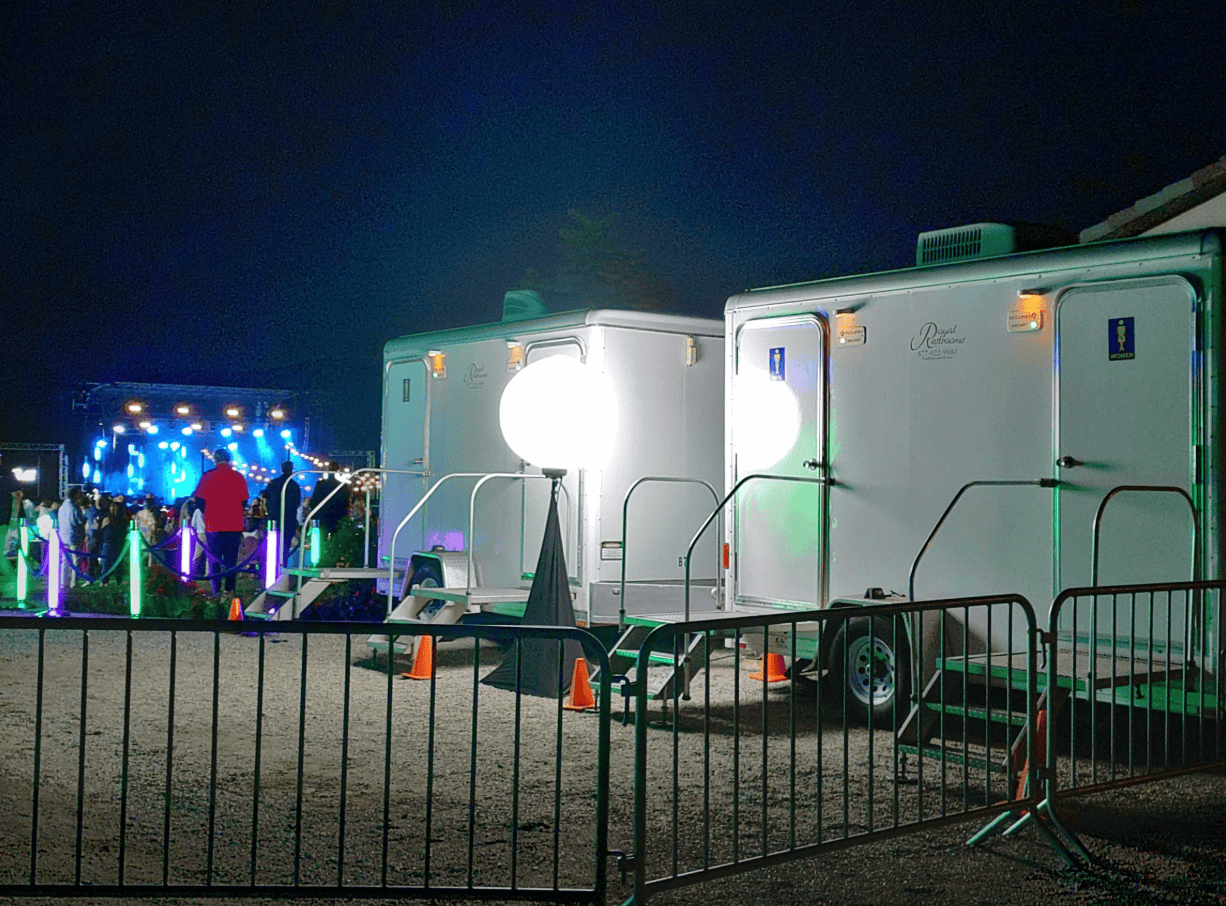
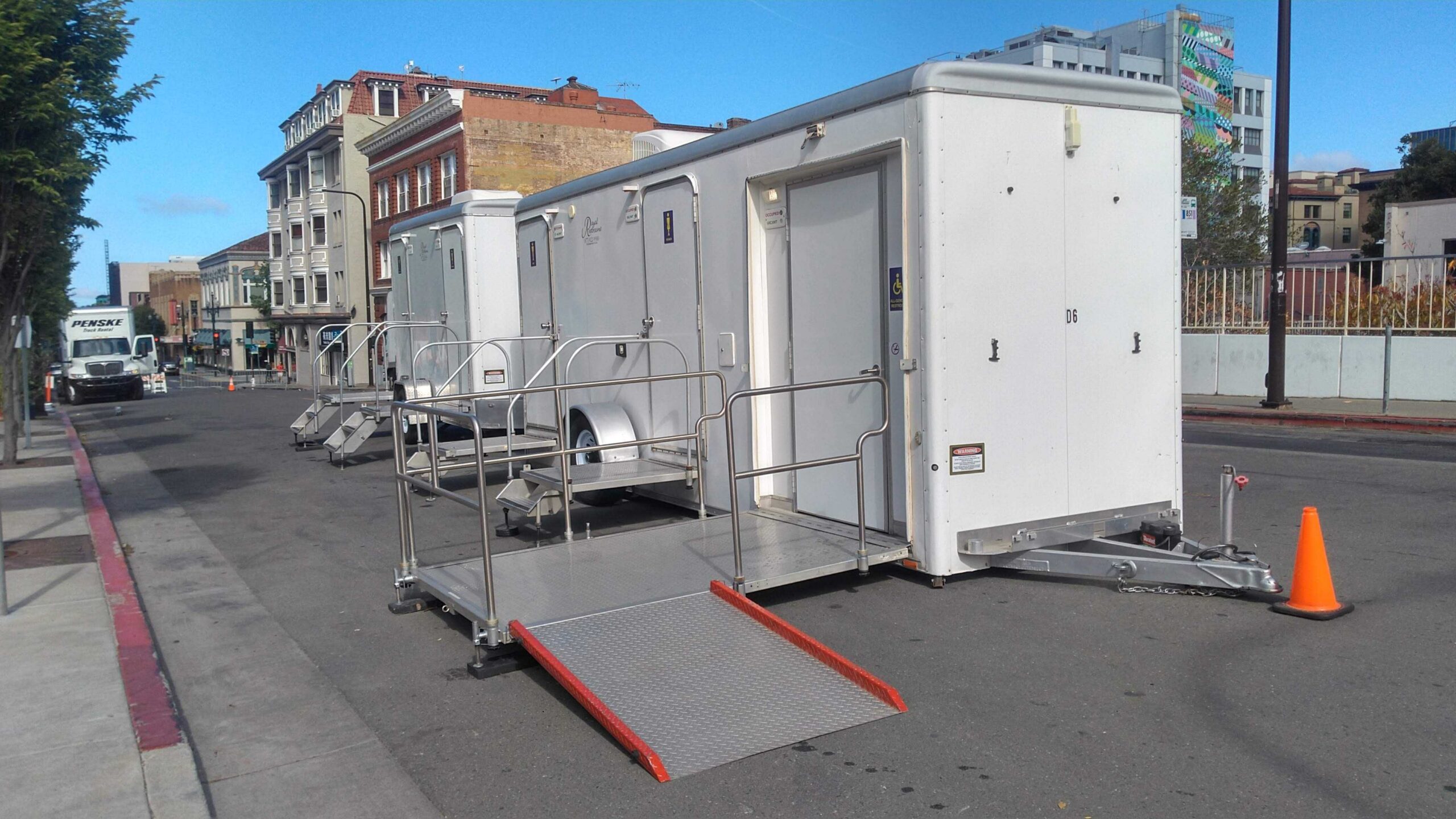
For large-scale public events, ordinary accommodations often fall short of meeting expectations for cleanliness, temperature control, and accessibility. Offering upscale portable restroom trailers with built-in climate control, flushing toilets, and running water provides an unexpected touch of luxury. At Royal Restrooms of California, we believe that true hospitality means making sure every guest feels valued, comfortable, and dignified—whether they are attending an elegant wedding, a regional festival, or exploring a busy commercial expo hall.
Ensuring total accessibility and inclusivity is another non-negotiable factor. True celebration means every single member of the community can participate fully, which is why providing ADA-compliant restroom facilities and specialized mobile units is critical. Taking care of these behind-the-scenes logistics keeps your attendees happy and protects public health. Ultimately, focusing on high-quality amenities ensures that your guests go home remembering the incredible music, culture, and community fun rather than long, frustrating lines.
Key Takeaways for Your Fair Visit
-
Plan Ahead: Buy your admission tickets and parking pass online early to save money and skip long lines at the gate.
-
Know the Rules: Remember the strict clear bag policy and note that you can bring factory-sealed plastic water bottles to stay hydrated.
-
Beat the Heat: Take frequent breaks inside the air-conditioned expo buildings and visit outdoor attractions during the cooler morning or evening hours.
-
Catch the Highlights: Don’t miss iconic experiences like riding the elevated monorail, exploring the livestock big barn, and enjoying the Toyota Concert Series.
-
Prioritize Comfort: Remember that proper infrastructure, crowd flow management, and upscale, accessible sanitation facilities are what keep large-scale festivals clean, safe, and enjoyable for everyone.
-
Stay Informed: Sign up for the official event newsletter to get real-time updates on schedules, maps, and special vendor discount days.