

TL;DR: Hosting a successful charity gathering in 2026 demands meticulous infrastructure and logistical coordination. While a great cause brings the community together, providing seamless execution—from efficient registration to premium sanitation—ensures a prestigious, comfortable experience for every participant. This ultimate guide explains how to plan, fundraise, and execute an exceptional outdoor running gathering.
How to Organize a 5k: Your Guide to Planning a Charity Gathering, Hosting a 5k Fundraiser, and Managing Outdoor Events
Summary: Organizing a massive charity gathering is an incredibly rewarding undertaking that requires precision, executive-level coordination, and an understanding of crowd flow. Whether you are aiming to raise funds for local nonprofits or looking to boost community engagement, this ultimate guide details the behind-the-scenes infrastructure needed to succeed. From securing a permit to managing participant amenities, discover why mastering these logistical steps is essential for any high-capacity event.
1. How Do You Choose the Right Charity and Set a Fundraising Goal?
Before you dive into the complexities of run planning, the very first step is identifying the core mission of your event. Partnering with the right charity establishes a strong narrative that will resonate with your community and potential donors. When attendees understand exactly where their money is going, they are far more likely to register, donate, and share the event with their networks. Ensure the nonprofit aligns with your brand values, which will make corporate outreach significantly smoother later on.
Once the cause is established, it is time to set a realistic, data-driven fundraising goal. This financial target should account for both the revenue you aim to generate and the overhead costs required to host a large-scale outdoor gathering. A clear target not only motivates your donor base but also provides a concrete benchmark for your internal team. When you raise money effectively, you prove to sponsors and participants that their contributions are making a tangible difference for a good cause.
2. What Are the First Steps in Planning an Event like a Charity 5k or Colour Run?
Deciding the structure means selecting a race format that appeals to your target demographic. A timed charity 5k traditionally attracts competitive runners looking for a new personal record. Conversely, a vibrant colour run will appeal heavily to families, casual walkers, and corporate teams looking for a team-building exercise. Knowing your audience dictates every logistical decision moving forward.
Regardless of the format, the primary objective is to bring people together in a safe, celebratory environment. An expertly executed 5k event requires a solid operational foundation. When planning an event of this magnitude, start organizing your core committee immediately. Assign dedicated roles for marketing, operations, and finance to ensure that every aspect of the fundraising event receives the professional attention it deserves.
3. How Do You Secure a Permit Months in Advance for a 5k Race?
Securing a venue for a massive crowd is never as simple as picking a date on a calendar. Event organizers must secure a formal permit from local city or county officials several months in advance. Municipalities have strict regulations regarding street closures, noise ordinances, and environmental protections. Without the proper legal approvals, your 5k race could be shut down before it even begins, leading to a catastrophic loss of revenue and brand trust.
Beyond the paperwork, mastering site logistics is what separates a chaotic gathering from an elite, high-end production. You must map out the entire route, identifying potential hazards, traffic intersections, and staging areas. Partnering with local businesses along the route can also mitigate neighborhood complaints and even open up new avenues for cross-promotion. Flawless logistical execution protects public safety and elevates the prestige of your entire operation.
4. What is the Best Way to Manage Registration and the Registration Fee?
A streamlined, user-friendly registration process is critical for capturing early momentum. Long before the event date, organizers must launch a robust digital platform that allows potential participants to sign up, form teams, and create peer-to-peer fundraising pages. Setting a strategic registration fee—often tiered with early-bird discounts—helps cover initial upfront overhead costs while giving your cash flow a much-needed boost during the early planning stages.
As the event draws closer, your registration system must seamlessly integrate with your physical inventory. Managing the distribution of t-shirts, timing chips, and race bibs requires military-level precision. To avoid massive bottleneck lines on the morning of the gathering, host a packet pickup session a few days prior. Distributing materials early keeps the crowd calm and focused on the impending celebration rather than standing in a frustrating line.
5. How Do You Attract a Sponsor to Maximize Charity Run Fundraising?
Ticket sales alone are rarely enough to hit a massive financial target, which is why securing a high-level corporate sponsor is vital. To maximize charity run fundraising, you must craft a compelling pitch deck that highlights the demographic reach, community impact, and marketing exposure your event offers. Sponsors want to align their brand with nonprofits that demonstrate professionalism, high attendance, and exceptional organizational structure.

Offering tiered sponsorships allows businesses of all sizes to participate. A top-tier sponsorship might include prominent logo placement at the starting corral, while local vendors might support a hydration station in exchange for booth space. Cultivating these corporate relationships effectively reduces your out-of-pocket expenses, allowing a much higher percentage of the funds you raise to go directly toward your designated nonprofit partner.
6. How Can You Promote the Event and Spread the Word Before Race Day?
You could design the most beautiful course in the city, but if you do not effectively promote the event, attendance will suffer. To ensure a massive turnout before race day, execute a multi-channel marketing campaign. Utilize social media advertising, local radio spots, and email newsletters to spread the word. When you promote your event with high-quality graphics and emotionally resonant storytelling, you inspire the community to rally behind your cause.
Fundraising should be highly gamified to encourage maximum participation. Offer incentives and public recognition for the top individual contributor and the highest-earning corporate team. Consistent community engagement throughout the marketing phase builds excitement and momentum. Empower your registrants to become ambassadors for your cause, sharing their personal donation links far and wide.
7. What Essential Logistics Do You Need to Run the Event?
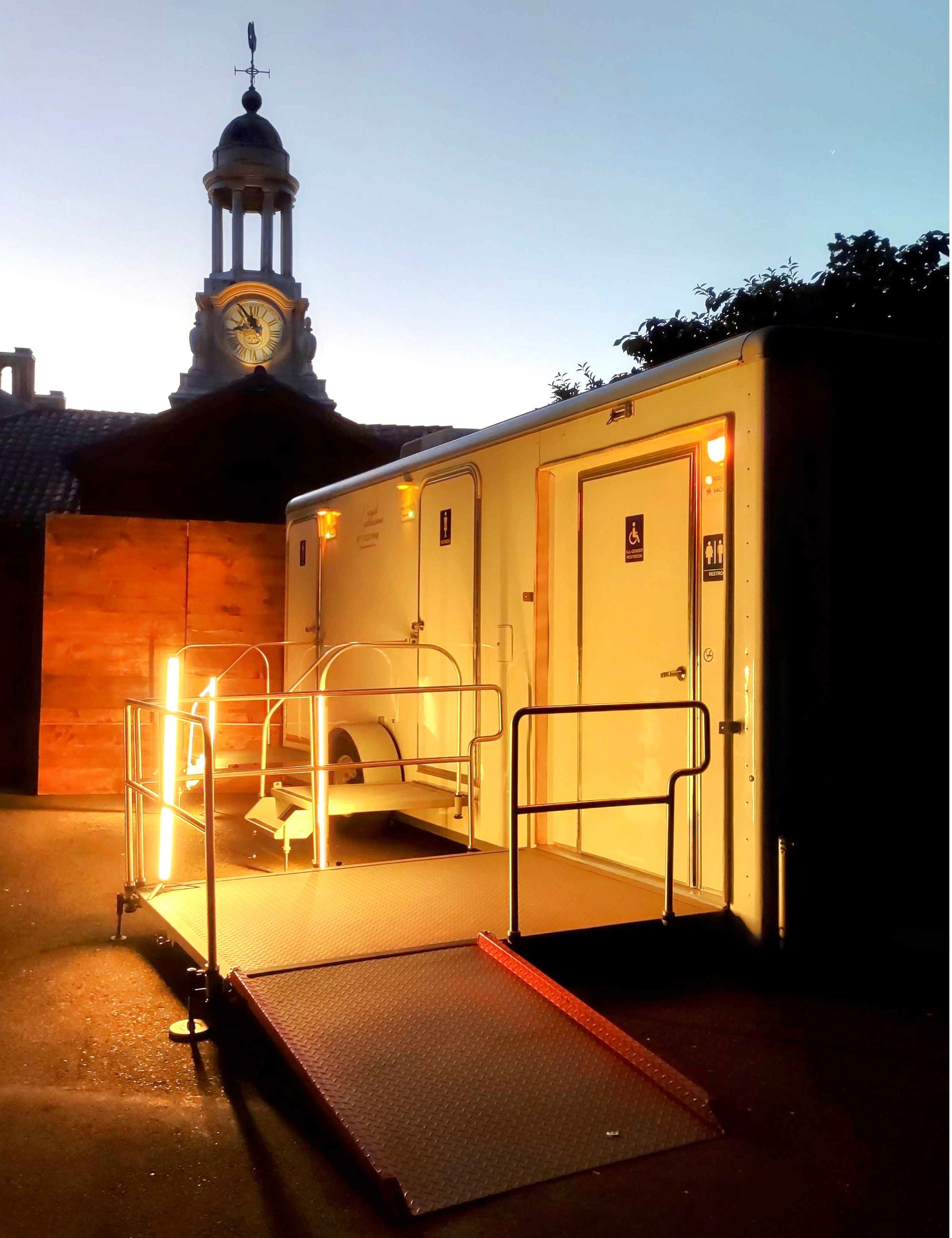
A massive outdoor gathering places an enormous strain on physical infrastructure. When coordinating the site map, providing top-tier amenities is crucial for maintaining guest comfort and safety. You must strategically place portable restrooms near the starting corral and finishing festival to prevent agonizingly long lines. Providing a clean, fully stocked facility shows attendees that you value their comfort and dignity.
Along the course, safety and hydration are your top priorities. You must set up well-marked water stations at regular intervals to keep runners hydrated, especially during warmer months. Additionally, a fully equipped first aid tent staffed by certified medical professionals is non-negotiable. Using clear signage and tall signage banners to direct participants toward these essential services ensures you can safely run the event without dangerous confusion.
8. How Do You Manage Operations on the Day of the Event?
The day of the event requires a highly disciplined, early-morning load-in. Your production team must be on-site hours before sunrise to construct barricades, test the PA system, and brief security personnel. To handle the sheer volume of moving parts, you must recruit volunteers to staff the check-in tables, hand out water, and direct parking traffic. A well-trained volunteer force is the backbone of any large-scale running event.
As the horn sounds and the crowd surges forward, the focus shifts to precise race timing and course management. Every intersection must be monitored to protect the race participants from vehicular traffic. Finally, managing the final stretch requires an organized funnel system where runners receive their medals, grab recovery snacks, and transition smoothly into the post-race festival area before they even cross the finish line.
9. What Post-Event Strategies Ensure a Successful Fundraiser?
The work does not stop once the final participant heads home. A crucial part of any successful fundraiser is the immediate post-event follow-up. Sending out a comprehensive recap email thanking your donors, sponsors, and volunteers solidifies those relationships. Announcing the final total of how you were able to raise funds provides immediate gratification to everyone who contributed their time and money.

Analyzing the race-day metrics is essential for long-term growth. Review your charity run fundraiser feedback surveys to identify areas for improvement, whether that means tweaking the course layout or streamlining the registration software. Establishing this standard of excellence guarantees that your future events will continue to grow in size, prestige, and financial impact.
10. Why Should You Organize a Charity Walk or 5k Charity Race?
Whether you choose to host a competitive 5k charity race or leisurely organize a charity walk, the underlying goal remains the same: driving positive change. Executing a successful event requires immense dedication, from balancing a fun run budget to managing complex field infrastructure. However, with the right planning, the logistical hurdles give way to an incredibly impactful community celebration.
A perfectly orchestrated 5k or fun run leaves a lasting legacy. It elevates the profile of the benefiting organization and creates an unforgettable experience for every attendee. Whether your community prefers to run or charity walk, prioritizing seamless organization, premium amenities, and unwavering safety protocols ensures your run fundraiser becomes a highly anticipated annual tradition.
Key Logistics to Remember for Event Success
-
Secure Permits Early: Work with city officials months in advance to lock down course routes and legal approvals.
-
Maximize Registration: Set a tiered registration fee structure and distribute bibs early to prevent race-morning bottlenecks.
-
Focus on Infrastructure: Provide premium sanitation facilities, ample water stations, and certified first aid tents to guarantee participant safety and comfort.
-
Build Corporate Partnerships: Cultivate tiered sponsorships to cover overhead costs, maximizing the percentage of funds going to your nonprofit.
-
Follow Up Promptly: Send post-event emails with fundraising totals and feedback surveys to secure loyalty for future events.